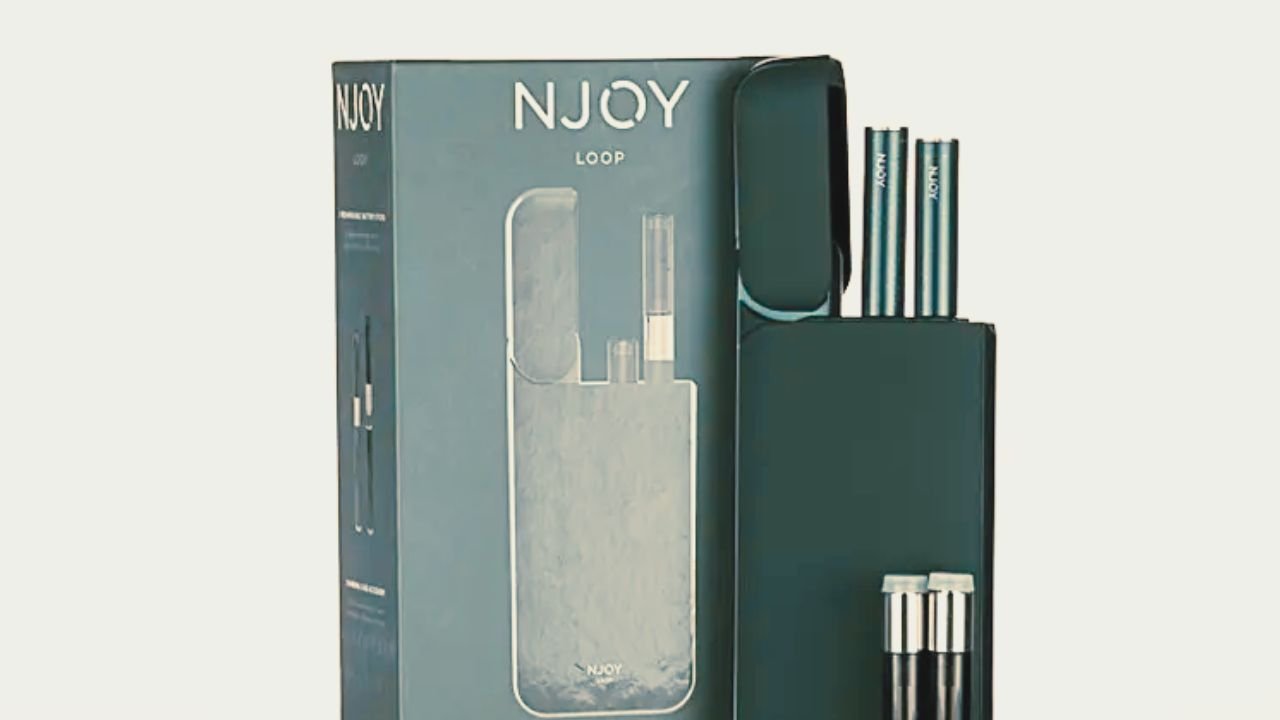

If you’ve walked into a convenience store recently and found the NJOY Ace section empty, you’re not alone. Shoppers across the country are noticing the same thing, and it’s led to a very reasonable question: is NJOY shutting down?
The short answer is no. But what’s happening is still worth understanding, especially if you’re a regular NJOY user or just trying to make sense of the conflicting information out there. Some people still find pods in certain stores. Others see empty shelves. Local community groups are posting that “pod production has ended.” It’s confusing.
This article breaks down exactly what’s going on — the legal ruling that pulled Ace products off shelves, what Altria’s ownership means for the company’s future, and what consumers should actually expect next.
NJOY Is Not Going Out of Business
Let’s clear this up first. NJOY, LLC is still operating as of mid-2025. There is no credible sign of the company closing, filing for bankruptcy, or winding down operations.
In 2023, Altria Group — one of the largest tobacco companies in the world — completed its acquisition of NJOY. NJOY is now a wholly owned subsidiary of Altria. That’s not the kind of corporate structure you see with a company heading toward the exit.
Altria agreed to pay at least $2.75 billion for NJOY, with up to an additional $500 million tied to further FDA product approvals. That level of financial commitment signals long-term strategic interest, not a company being quietly wound down. NJOY’s website, customer service line, and corporate operations remain active.
What has happened is that a specific product line — the NJOY Ace — has been blocked from the U.S. market due to a patent ruling. That’s a very different thing from a company shutting down.
What the Juul Patent Ruling Actually Did
Here’s where the real story starts. In June 2023, Juul Labs filed a complaint with the U.S. International Trade Commission, commonly called the ITC. Juul claimed that NJOY’s Ace devices and pods infringed on Juul’s patents.
On January 29, 2025, the ITC ruled in Juul’s favor. The ruling issued orders prohibiting the importation, distribution, and marketing of NJOY Ace devices and pods in the United States. The U.S. Trade Representative did not step in to override the decision.
The effective date of that ban was March 31, 2025. After that date, NJOY could no longer legally import Ace products into the country.
Think of it like a car manufacturer being forced to pull one specific model because of a patent dispute with a competitor. The company doesn’t disappear. That one model does — at least until the legal situation is resolved. NJOY Ace is in that position right now. The company itself continues to operate; that particular product line cannot be imported or restocked under current legal orders.
NJOY’s own ITC update page states they are “working to get them back in-market ASAP.” That language points to active legal or product strategy — not surrender.
Why Some Stores Still Have NJOY Ace Pods
This is the part that creates the most confusion, and it has a straightforward explanation.
The March 31, 2025 ruling stopped new imports. It did not require retailers to immediately destroy or pull whatever stock they already had on their shelves. Stores can legally sell through any NJOY Ace inventory they had in hand before April 1, 2025. What they cannot do is reorder more once that stock runs out.
That’s why, as of mid-2025, some convenience stores in Arizona and other areas reportedly still have NJOY Ace pods available, while shoppers in other regions find empty shelves. The difference isn’t a regional policy — it’s just a matter of how much stock each retailer had before the cutoff and how quickly their customers bought it.
Think of it like the last shipment of a limited-edition product. The stores sell what they have. Once it’s gone, there’s nothing coming to replace it — not until the legal situation changes.
So if your local gas station still has pods today, that’s remaining inventory, not new stock. When it sells out, it won’t be replenished under current rules.
FDA Authorization vs. the ITC Patent Ban — Two Separate Issues
Here’s something worth clarifying, because it trips a lot of people up.
NJOY Ace pods were among the very few vaping products in the U.S. to receive FDA marketing authorization. That’s a significant regulatory achievement in an industry where most products operate without it. But FDA authorization does not make a product immune to intellectual property law.
The FDA and the ITC operate under completely separate legal frameworks. FDA authorization is about public health standards and marketing eligibility. The ITC operates under patent and trade law. A product can be fully FDA-authorized and still be banned from import because it infringes on someone else’s patent.
These are two parallel systems. One says the product is safe enough to market. The other says you can’t bring it into the country because of how it was designed relative to a competitor’s patents. Both can independently affect whether a product ends up on store shelves.
So the fact that NJOY Ace had FDA approval didn’t protect it from the Juul patent ruling. Those are simply different legal lanes, and NJOY hit a wall in the patent lane.
What This Means for NJOY as a Business
Losing a flagship product line from the U.S. market is a serious hit, but it doesn’t automatically translate to a company collapse — especially when that company is backed by Altria’s resources.
Altria’s original investment in NJOY was built around the Ace’s FDA authorization status. That authorization still stands. The challenge is finding a path back to market that doesn’t run into Juul’s patents. Common routes in situations like this include redesigning the product to avoid the infringing elements, pursuing a licensing agreement with the patent holder, or appealing the ITC decision.
NJOY hasn’t publicly committed to a specific timeline or method. What they have said is that they’re working on getting back in-market. That’s consistent with a company navigating a legal problem, not one preparing to close.
For more context on how businesses operate through regulatory and legal disruptions like this, Quick Business Daily covers these kinds of industry developments regularly.
What Should NJOY Users Do Now?
If you’re a regular NJOY Ace user, here’s a practical breakdown of where things stand.
- Existing store stock is legal to buy. If your local retailer still has Ace pods, they’re selling legitimate, pre-ban inventory. There’s no issue with purchasing them.
- Don’t expect restocks. Once a store’s current supply is gone, new shipments won’t follow under current rules.
- Check NJOY’s official site for updates. NJOY’s ITC update page is the most reliable source for any changes to the legal situation or product availability.
- Consider alternatives. Given the uncertainty around when or whether Ace products return, it’s worth researching other FDA-authorized vaping products if that regulatory status matters to you.
There’s no need to panic-buy or assume NJOY itself is disappearing. But if you rely specifically on Ace pods, planning around limited supply makes sense for now.
The Bottom Line
NJOY is not going out of business. It’s owned by Altria, it’s actively operating, and there is no credible indication of shutdown or bankruptcy.
What has happened is that a patent ruling from the ITC blocked NJOY Ace devices and pods from being imported into the U.S. starting March 31, 2025. Retailers can still sell existing stock, which is why availability varies so much by location right now. Once that inventory clears, Ace products won’t return unless NJOY wins an appeal, reaches a settlement with Juul, or redesigns the product.
The company and the product are two different things. NJOY the company is still standing. NJOY Ace the product is currently off the market. Understanding that distinction is the key to making sense of everything you’re seeing — or not seeing — on store shelves.