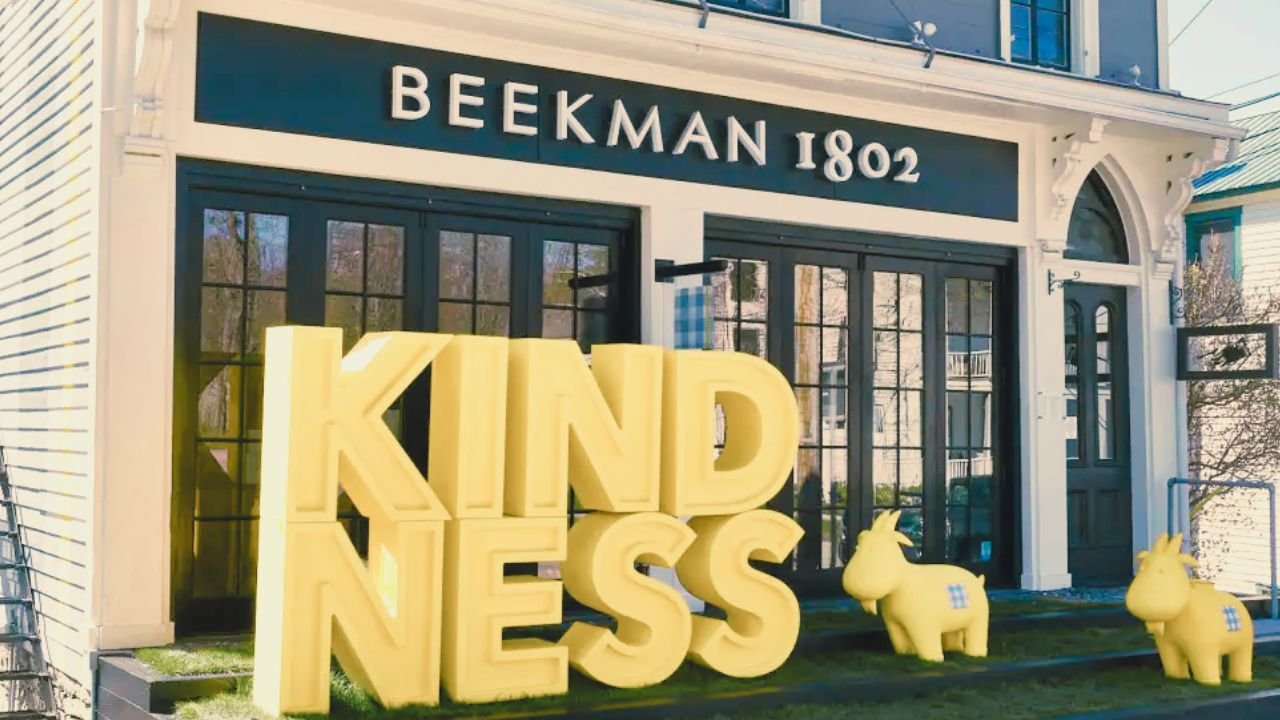

Rumors about a brand shutting down can spread fast. All it takes is one product disappearing from a shelf, a quieter TV shopping schedule, or a post in an online forum. Beekman 1802 has been caught in exactly this kind of speculation.
If you’ve searched this question, you probably want a straight answer — not a long runaround. This article covers whether Beekman 1802 is actually closing, where the rumors likely started, what the 2021 stake sale actually meant, and what customers can expect going forward.
Beekman 1802 Is Not Going Out of Business
The short answer is no. Beekman 1802 is not shutting down.
There are no bankruptcy filings. No inventory liquidation sales. No announced store-wide closures. As of 2026, multiple business sources describe the brand as financially stable and continuing to expand globally.
According to available data, the company is cash positive, with annual revenues exceeding $100 million and estimated retail sales of around $150 million in 2023. Those are not the numbers of a brand in its final days.
It’s worth understanding why this question comes up at all — because the confusion is real, and it usually starts with something a customer noticed locally or read in a comment section. More on that shortly.
A Quick Look at What Beekman 1802 Actually Is
Beekman 1802 was founded in 2009 by Dr. Brent Ridge and Josh Kilmer-Purcell. The two started the brand at a goat farm in Sharon Springs, New York, which is a small town in the Catskills region.
The core product line is built around goat milk-based skincare, specifically marketed for people with sensitive skin. What began as a small farm operation grew into a multimillion-dollar beauty and lifestyle company.
Today, the brand sells through its own website, Ulta, HSN/QVC, and other retail partners. It employs around 220 people. The brand’s identity centers on the idea of kindness — it’s a values-driven company as much as a product line, which has helped build a loyal customer base.
What the $92 Million Stake Sale Actually Meant
One of the most likely sources of confusion is the 2021 investment deal. In December 2021, Eurazeo — a global investment firm — purchased a majority stake in Beekman 1802 for approximately $92 million. Co-investors in the deal included Cohesive Capital Partners and the Cherng Family Trust.
This is the kind of transaction that can look alarming to customers who aren’t familiar with how private equity works. “They sold the company” can quickly become “they’re shutting it down” in online forums. But that’s not what happened.
A majority stake sale means an investor buys a controlling share of a company to fund its growth. It’s not a shutdown. It’s not a distress sale. Think of it like an investor buying into a successful regional restaurant chain to help open new locations and expand into new markets. The business keeps running — it just has more capital behind it.
Eurazeo reportedly invested $62 million for its majority position. Private equity firms don’t put that kind of money into companies they plan to wind down. They invest where they see a path to scale. The founders remained involved after the deal, and the brand continued operating and growing under the new ownership structure.
This transaction is a signal of confidence in the brand, not a warning sign.
Where the Closure Rumors Come From
If the brand is healthy and well-funded, why do people keep asking if it’s closing? There are a few likely explanations.
Retail Changes Can Look Like Closures
When a brand stops appearing at a local boutique, pulls back from a TV shopping time slot, or shifts more of its sales online, customers notice. That kind of change can feel like something is wrong — even when it’s actually a normal business decision.
Beekman 1802 has been focusing more on its online channel and its strongest-performing retail partners. That’s a common move in modern retail. It doesn’t mean the brand is collapsing. It means it’s choosing where to put its energy.
A clothing brand closing three underperforming mall stores while growing its e-commerce sales and opening two larger flagship locations isn’t going out of business. It’s adjusting its model. The same logic applies here.
Forum Comments Spread Fast
Online communities for HSN and QVC shoppers are active and engaged. When one person posts “I heard they sold the company — is it over?”, that comment gets replies, shares, and new posts. By the time the thread has 30 responses, it can read like the brand is definitely closing — even if there’s no factual basis for it.
This is how isolated observations turn into brand-wide narratives. Someone sees a product gone from their local store, connects it to the 2021 ownership news they half-remember reading, and posts a worried message. Others add their own experiences. The thread grows.
The problem is that none of it is checked against actual business data.
Ownership Changes Confuse Customers
When a beloved brand sells a majority stake to an investment firm, it can feel like a betrayal — or a prelude to something bad. Customers sometimes assume that once founders aren’t fully in control, the brand will change beyond recognition or disappear entirely.
That’s not how it typically plays out. Most private equity deals in consumer brands are aimed at growth: new markets, more SKUs, better distribution, stronger digital presence. That appears to be what’s happening with Beekman 1802.
What the Financial Picture Actually Shows
Here’s what the data points to, based on available reporting:
- Annual revenues over $100 million, with retail sales estimated around $150 million in 2023
- Positive cash flow, meaning the company can pay its bills and fund operations without burning through reserves
- No bankruptcy filings, no default indicators, no signs of major credit risk
- Around 220 employees, with headcount described as increasing rather than shrinking
- Active product launches and ongoing retail partnerships
None of that looks like a company in trouble. It looks like a company in a competitive market that has found a strong position and is working to grow it.
There are real pressures — the beauty market is crowded, retail is shifting, and macroeconomic conditions affect every consumer brand. But facing competition and challenges is not the same as going out of business. Every brand of this size deals with those conditions.
What Customers Can Expect Going Forward
If you’re a regular Beekman 1802 customer, the practical takeaway is straightforward: the brand is still operating and still selling its products.
You can expect to find products on the official website, at Ulta, and through TV shopping channels where the brand remains active. There may be changes in which specific stores carry certain products, or how frequently the brand appears on a particular shopping network. That’s normal channel management, not a shutdown signal.
The brand’s current focus appears to be on online growth and its strongest retail partnerships. That means you might see fewer places where you can physically browse the products, but the core line remains available through direct and major retail channels.
For ongoing updates on retail business moves like this one, Quick Business Daily covers brand developments and business strategy in plain terms.
How to Evaluate Rumors Like This in the Future
The Beekman 1802 situation is a good example of how easy it is to misread routine business changes as signs of collapse. Here’s a practical checklist for evaluating any brand closure rumor:
- Check for a bankruptcy filing. Bankruptcy is public record. If a company files, it will be reported by major news outlets and court databases.
- Look for inventory liquidation sales. Brands closing for real often slash prices to clear stock. Random discounts don’t count — look for dramatic, across-the-board clearance pricing.
- Read the investment news carefully. A stake sale is not a shutdown. Understand what kind of transaction happened before drawing conclusions.
- Check the official website and social accounts. If a brand is actively posting, running promotions, and launching new products, it’s operating.
- Treat forum comments as a starting point, not a conclusion. They reflect perception, not verified facts.
The Bottom Line
Beekman 1802 is not going out of business. The brand has revenues well above $100 million, a major private equity backer, an active retail presence, and a growing team. The closure rumors appear to stem from customer confusion around the 2021 stake sale, changes in retail distribution, and online speculation that wasn’t grounded in business data.
The $92 million investment from Eurazeo and its co-investors is not a sign of trouble. It’s the opposite. That kind of capital goes into brands with growth potential, not ones being wound down.
If your favorite Beekman 1802 product is no longer at your local store, check the official website or Ulta before assuming the brand is gone. In most cases, the product is still available — just sold through a different channel now.
Also Read: